
The Art of Presenting Food
Kitaōji Rosanjin, the celebrated Japanese artist and gastronome, famously described tableware as “cuisine’s kimono.” Just as clothing complements the person wearing it, a vessel frames and enhances the food it contains. Its color, shape, texture, and decoration can make a dish appear more vivid or inviting.
This relationship is especially intimate in Japan, where many bowls and cups are small enough to be held in the hands. In kaiseki cuisine and the tea ceremony, the selection of vessels reflects the season, the food, and the person being served. Choosing tableware becomes an expression of hospitality and care.

Kondo Yuzo 近藤 悠三 (1902–1985)
Blue-and-white square plates with landscape design, set of 5
With signed wood box, porcelain, 1 3/16 × 6 1/2 × 6 11/16 in. (3 × 16.5 × 17 cm)
Japanese dining tables also embrace variety rather than uniformity. Porcelain plates, handmade ceramic bowls, lacquerware, and glass may sit alongside one another, creating harmony through differences in material, form, and color. This appreciation for individuality reflects a long tradition of valuing the natural variations of handmade ceramics.
The Choko: A Small Cup with a Rich History
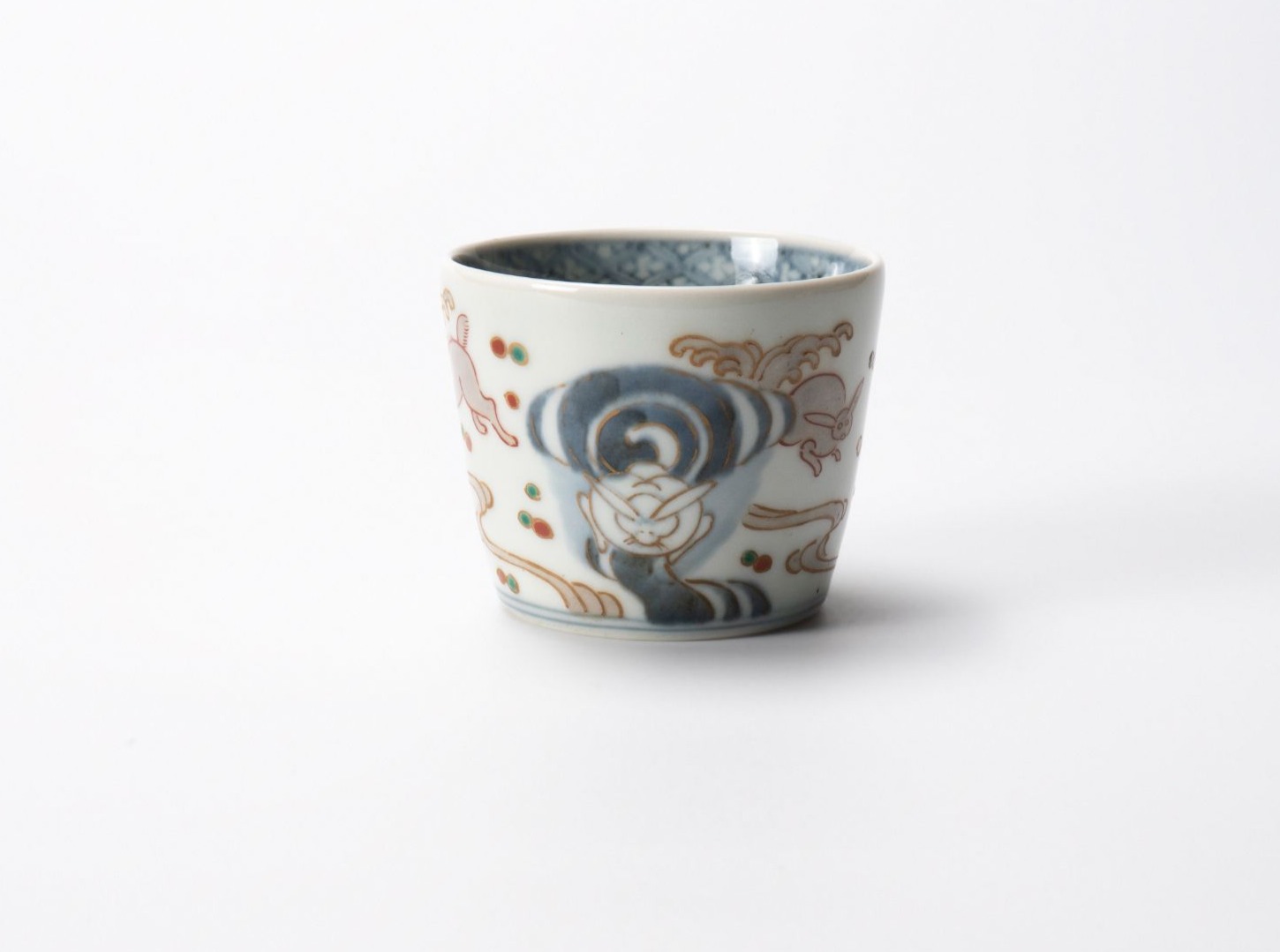
Old-Imari Kinrande blue-and-white Soba cup with rabbit designs, Edo-period
Provenance: From the estate of a historian who served as director of libraries and museums in Hyogo Prefecture Porcelain 2 1/2 × 3 1/8 in. (6.5 × 7.8 cm)
The choko, a small cup commonly used for soba dipping sauce and sake, offers a glimpse into the relationship between Japanese food culture and ceramic production.
As scholar Monika Bincsik notes, the 1751 publication Soba zensho (Complete Book of Soba) records the use of choko for dipping sauce. By the late Edo period, thousands of soba vendors served noodles throughout Japan. Regional variations in dipping sauces, alongside expanding ceramic production, contributed to the remarkable diversity of surviving cups.
The choko's history also reflects changing uses and traditions. Its name has uncertain origins, and related terms once described small dishes served at tea gatherings. Over time, the vessel became associated with both food and drink, demonstrating how everyday objects evolve alongside dining customs.
The choko belongs to a broader family of Japanese tableware that includes kobachi (small bowls) and mukōzuke (individual serving dishes). Each form serves a practical purpose while offering potters opportunities to explore shape, glaze, and decoration.
From Everyday Use to Global Influence
The history of Japanese dining ceramics also encompasses the rise of porcelain in the early seventeenth century. Korean potters pioneered its production in Hizen Province, in present-day Saga Prefecture, following the discovery of kaolin clay near Arita.
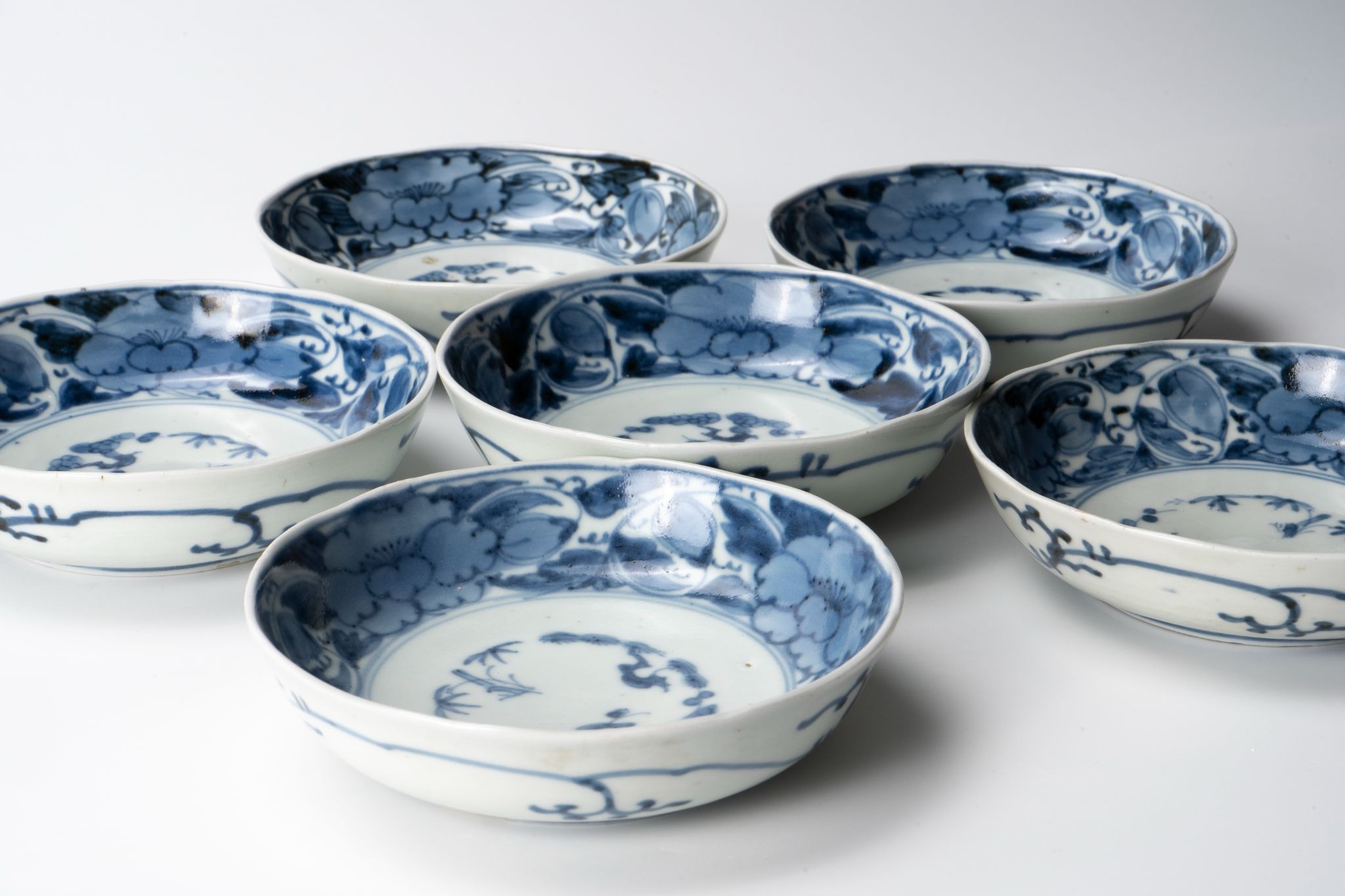
Blue-and-white Namasu bowls with peony, pine, bamboo, and plum design, Late Edo period
With wooden storage box, Porcelain; 1 3/8 × 5 1/2 in. (3.5 × 14 cm)
Arita and Imari wares became known for their blue-and-white sometsuke designs and colorful overglaze enamels. Produced for domestic use and export, they reached European audiences through expanding trade. Climbing kilns, known as noborigama, helped potters increase production and refine their techniques, while exchange with Dutch and Chinese merchants continued through Nagasaki during the Edo period. These developments established Japanese ceramics as both functional objects and works of art, connecting local dining traditions with broader networks of trade and cultural exchange.
The Art of the Japanese Table
Through a variety of forms, including choko, mukōzuke, kobachi, cups, and teaware, each reveals a different aspect of the relationship between ceramics, food, and daily life.
At the Japanese table, function and artistry are inseparable. A bowl held in the hands, a plate framing a seasonal dish, or a small cup shared over a meal connects the potter’s craft with the experience of eating. These vessels are more than containers: they are expressions of history, regional identity, aesthetic sensibility, and the enduring art of hospitality.