


NAKAMURA Kinpei 中村錦平
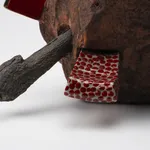
Sculptural object “Kissed the stone”
Stoneware
H9 1/2 × W11 3/4 × D8 1/4 in.
H24 × W30 × D21 cm
H24 × W30 × D21 cm
With signed wood box
Sold
Further images
-
(View a larger image of thumbnail 1
)

-
(View a larger image of thumbnail 2
)

-
(View a larger image of thumbnail 3
)

-
(View a larger image of thumbnail 4
)

-
(View a larger image of thumbnail 5
)

-
(View a larger image of thumbnail 6
)

-
(View a larger image of thumbnail 7
)

-
(View a larger image of thumbnail 8
)

-
(View a larger image of thumbnail 9
)

-
(View a larger image of thumbnail 10
)

-
(View a larger image of thumbnail 11
)

-
(View a larger image of thumbnail 12
)

-
(View a larger image of thumbnail 13
)
-
(View a larger image of thumbnail 14
)

-
(View a larger image of thumbnail 15
)

-
(View a larger image of thumbnail 16
)

-
(View a larger image of thumbnail 17
)

-
(View a larger image of thumbnail 18
)

Kanazawa-based artist Nakamura Kinpei (also spelled Kimpei, b. 1935) is known for his highly expressive, sculptural stoneware created through hand-building. His vessels are formed from layered, clay slabs with impressed...
Kanazawa-based artist Nakamura Kinpei (also spelled Kimpei, b. 1935) is known for his highly expressive, sculptural stoneware created through hand-building. His vessels are formed from layered, clay slabs with impressed textures, resulting in rugged, irregular surfaces to recall natural forms- a task that requires technical precision to create a naturalism in his work. These are often finished with strikingly vivid glazes and polished surfaces that contrast with the natural textures of clay, a quality evident in this work. Although it appears straightforward at first glance, the piece reveals considerable complexity: Nakamura carves the clay to resemble stone and introduces forms that suggest protruding machine-like elements. This lends the work an industrial character, recalling modernist practices such as assemblage and readymade art, and evoking the exposed concrete and visible infrastructure of urbanity. Perhaps Nakamura’s background helps explain this particular synthesis of tradition in clay, and modernity in expression. Nakamura was raised in a historic and affluent Japanese household surrounded by ceramics and traditional works of art. His family, which comprised generations of connoisseurs of traditional crafts of Japan (Kogei), includes his great-grandfather was an avid collector of tea ceremony wares as a “literati” type collector, appreciating the art of Korean Joseon dynasty ceramics. Much of Nakamura’s background is rooted in highly academic and historical fields of study. Additionally, Kanazawa ceramics have long been associated with Japanese craftsmanship and a deep respect for materials.By the 1960s, he had begun working professionally, embracing experimentation. He was particularly influenced by developments in American ceramics, especially those presented at the 1964 International Exhibition of Contemporary Ceramics, where artists rejected functional concerns in favor of personal expression. In 1969, Nakamura traveled to California, where he encountered works by American potters Paul Soldner and Peter Voulkous firsthand. Reflecting on the experience, he later remarked in an interview with The Japan Times that seeing ceramics shaped by contemporary culture was profoundly disorienting for someone from the traditionally minded city of Kanazawa, likening it to a leap across centuries. He has sought to find new expressions through ceramics ever since. An article published by the Everson Museum of Art details this fascinating encounter. Today, Nakamura Kinpei’s work is widely recognized and held in major museum collections around the world.