


TOKUDA Yasokichi Ⅲ 3代 徳田八十吉 1933-2009
H5.5 × Diameter 39.1 cm
Signed at the base
Further images
-
(View a larger image of thumbnail 1
)

-
(View a larger image of thumbnail 2
)

-
(View a larger image of thumbnail 3
)

-
(View a larger image of thumbnail 4
)

-
(View a larger image of thumbnail 5
)
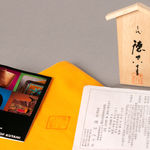
-
(View a larger image of thumbnail 6
)

-
(View a larger image of thumbnail 7
)

-
(View a larger image of thumbnail 8
)

-
(View a larger image of thumbnail 9
)

-
(View a larger image of thumbnail 10
)

-
(View a larger image of thumbnail 11
)

-
(View a larger image of thumbnail 12
)

-
(View a larger image of thumbnail 13
)

-
(View a larger image of thumbnail 14
)

Tokuda Yasokichi III came from the Kutani area near Kanazawa and was designated a Living National Treasure in 1997 for his production of colorful porcelain, known as saiyu jiki. Renowned among Japanese ceramicists, he applied vividly pigmented glazes to simple forms, achieving the deep, fluid color that distinguishes his work. The glazes seem to flow across the surface of this dish, recalling the traditional Kutani palette while creating a distinctly modern impression.
The third generation in a family of potters from Ishikawa Prefecture, Tokuda inherited a legacy that dates back to the mid-seventeenth century. The glazes he used were first developed by his grandfather, Tokuda Yasokichi I, who passed them down with the hope that they would sustain future generations. Tokuda Yasokichi III expanded upon these techniques through both his own practice and the work of his studio, blending tradition and innovation with remarkable finesse. Kutani ware is celebrated for its brilliant polychrome enamels, and Tokuda’s mastery lay in his ability to control the gradation of color within these glazes. His technique produced sublime transitions from one hue to another, achieving compositions across form. Today, his daughter Tokuda Yasokichi IV continues this legacy, reinterpreting the Kutani tradition through her own contemporary style.